


.png)
-modified.png)
| A winning video marketing strategy in 2026 is built on clarity, not volume. This guide outlines 6 essential steps to plan and execute effective video marketing campaigns, with practical video marketing tips, examples, and best practices. Learn how to choose the right types of video marketing, apply proven video marketing techniques, and use animation and corporate video marketing to generate stronger engagement, trust, and business impact. |
They say throwing everything at the wall makes something stick. But in video marketing, that approach rarely works.
Doing more isn’t the goal, doing it right is.
To get real results, you need an intentional, strategic approach. In this blog, I’ll break down what a video marketing strategy really is, how to build one step-by-step, and how to use it to get the most out of your video content.
Image Credits: Freepik
A video marketing strategy is a clear roadmap that shows how you will use video to achieve your marketing goals.
It defines when and where your videos will be published, and how their performance will be tracked and optimized over time.
While strategies may differ based on business needs, the core idea stays the same: creating an organized, actionable system for your video content that removes guesswork and allows continuous improvement over time.

Image Credits: Freepik
Video Marketing works because people would rather watch than read. Simple. But videos have a lot of moving parts, and posting them everywhere without intent can quickly confuse your audience, even when the content is good.
And no, video marketing isn’t just about views or impressions. The real goal is action. Whether that’s signing up, booking a demo, or registering for something, your video should clearly guide the viewer towards the next step.
This is where a video marketing strategy earns its value.
A clear strategy helps you:
Without this structure, videos lose direction. And when that happens, even great content starts underperforming, which brings us to the most common video marketing mistakes businesses make.
This is where many businesses go wrong, when strategy exists, but execution misses the mark.
So how do you fix it?
These mistakes are easy to fix, and it starts with building the right video marketing strategy, which comes next.
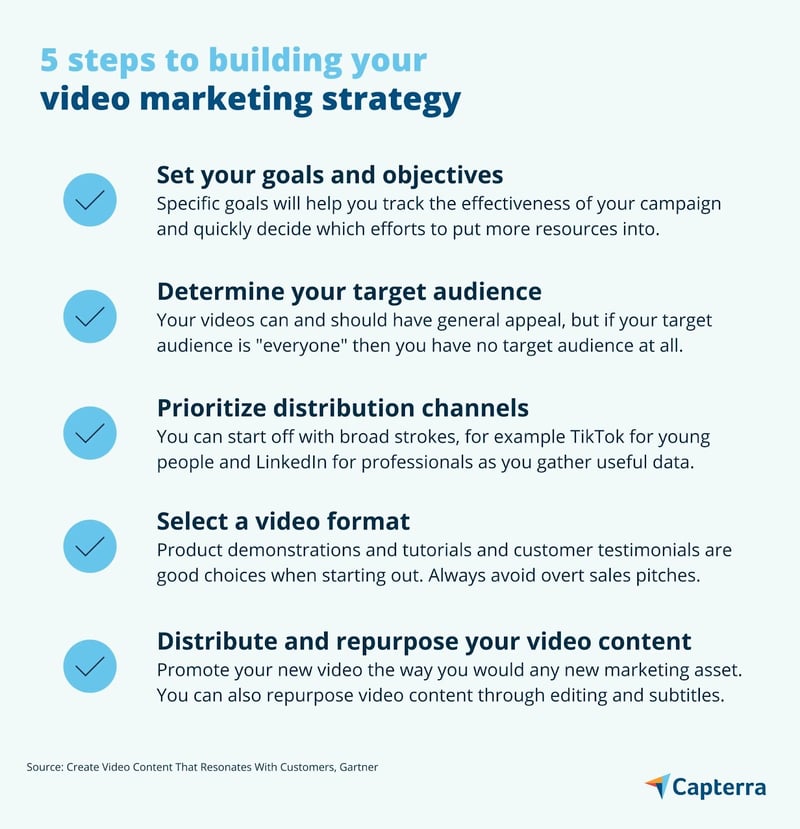
Image Credits: Capterra
Before we dive into the steps, here’s the context.
A strategy isn’t just a checklist for promoting your videos. It’s about getting maximum exposure and making sure that reach, and the results it brings, last in the long run.
Let’s break it down.
Before you create or promote a single video, you need to be clear about why you’re doing it. Your goals for video marketing sets the direction for everything that follows, from content and messaging to distribution and metrics.
Here are some questions to help you set your video marketing goals:
Once your goals are clear, the next step is figuring out who these videos are actually for, which brings us to the next step.
You can’t hit the mark if you don’t know who you’re targeting. Before creating or marketing videos, define your ideal audience. Research demographics, preferences, pain points, and behaviour, something generative AI in marketing can accelerate by analyzing audience data and guiding more personalized strategies, alongside tools like Compass for SBC that offer handy audience analysis templates.
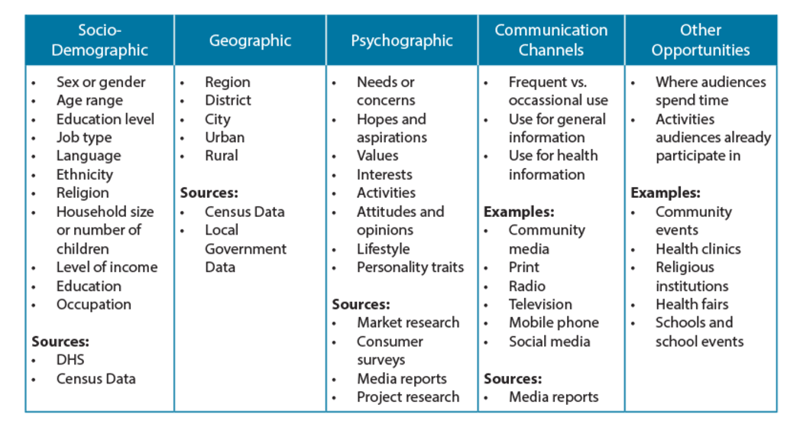
Image Credits: The Compass
For B2B audiences, the approach slightly shifts. Common Ground provides a checklist of questions and metrics to build a strong B2B profile. Another fast way is using brand archetypes to create a base profile and tweak it for B2C or B2B depending on who you’re targeting.
The goal of this analysis is to answer:
For example, if your analysis shows that you are targeting vendor financing prospects, your video strategy should focus on platforms, messaging, and formats that address their specific concerns and decision-making process.
Once this is clear, it’s time to choose the best vehicle to get your videos reach your audience.
By now, your audience analysis should have already revealed where your audience spends most of their time. Since we’re working with video, these platforms naturally support video distribution, however this step is about thinking bigger.
To get maximum exposure, relying on just one or two platforms isn’t enough. You need to leverage multiple video distribution channels and use each one intentionally. This is where a Video-First Approach helps, using video as the primary driver across all your marketing channels.
Some of the strongest channels include Youtube and video-centric social platforms like Instagram for B2C and LinkedIn for B2B.
At this stage, you have two key pieces of your video marketing strategy in place:
Now, it’s time to look closer at the videos themselves, starting with production.
Usually, video marketing strategy comes into play after video production. But it works best when both are developed together. This creates a feedback loop where:
Before you begin production, decide what type of video you’re creating — live-action, animation, or a mix of both. This choice directly impacts your production process. If animation is your route, you can refer to “How to Make Animated Videos" to get started.
Pay close attention to your video production, especially your script and storyboard, needs to be precise, not just to simplify the process but to help you videos grab your audience's attention. Also choose whether to produce in-house or with an external team. In most cases, an experienced agency is faster and more cost effective.
Learn more about how to hire the right video production agency for your video production needs.
Once your videos are ready, the next step is publishing them right away.
At this stage, you need to answer two simple but important questions:
These answers form the foundation of your video content calendar. Now the easiest way to get started with a content calendar, and save time is by using a template.
Once your video content calendar is in place, publish or schedule your videos for their assigned day and time. Doing this manually isn’t ideal as it’s time consuming and hard to scale.
You can publish on the website, post them on social networks, embed them in your email marketing and even use them for a sales presentation, especially when paired with templates for creating presentations that enhance visual impact.
To streamline this, you can use content scheduling tools like Hootsuite, Buffer, and Sprout Social (to name a few) to schedule your video content in bulk and track their performance all at once.
After your videos have been published for at least a week, it’s time to put the cherry on top and make your video marketing strategy work in the long run.
Here’s the mindset shift that makes video marketing actually work: it doesn’t end when you hit “Publish”. It begins after. Long-term results come from constant tracking, optimization, and execution.
This is why monitoring performance is critical. Use video analytics to track key metrics that show how your videos are performing — and if you’re in a regulated industry, ensure your reporting aligns with GRC standards to maintain compliance and transparency. Engagement is especially important than keeping viewers watching, so you need to give them a reason to stay.
In this case incentives help. Offering a quick hack, free downloadable resource, a coupon, or even a giveaway (you can explore platforms like Earthweb for digital deals) encourages viewers to watch till the end.
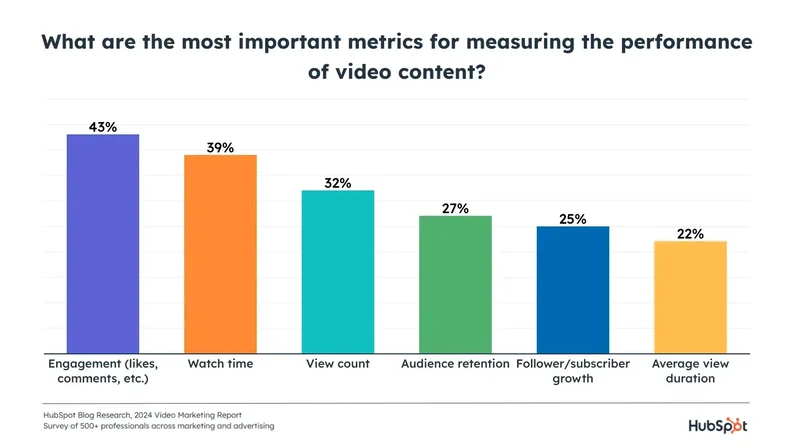
Image Credits: Hubspot
As Hubspot shows here, pay close attention to engagement metrics like comments, shares, likes, and watch time. Metrics such as view count and audience retention also matter. Together these insights help you optimize your existing videos and uncover opportunities for new content, and inform AI decisioning on what performs best for your audience.
With video marketing strategy sorted, let’s talk about the types of videos that actually move the needle.
Video marketing can take many forms, each serving different purposes within a marketing strategy. Here's a breakdown of the most common types of video marketing campaigns used by brands:
Explainer videos use a simple approach to communicate how something works. They are usually short, ranging from 30 to 120 seconds, but depending on the content and complexity, they can exceed 5 minutes.
In marketing, these high-quality videos highlight the benefits of your product or service and explain how they work. Explainer videos are a great addition to YouTube, product pages, website home pages, or other social media platforms.
To better understand this format, check out the above-linked animated explainer video by American Cancer Society, which uses clear, engaging animation to teach viewers of all ages on how to protect their skin and stay safe in the sun.
Corporate videos are used by businesses and organizations to showcase their brand message, services, products, and core values. They serve multiple purposes such as internal communications, training, investor relations, and typically run between 2 to 3 minutes, depending on the purpose and content. Sometimes, businesses collaborate with creative partners like a podcast production agency to produce podcast-style films for storytelling.
A great example of the corporate video is the McAfee animated infographic video, which breaks down complex cybersecurity concepts into simple visuals that help businesses quickly understand what McAfee’s MVision solution does and why it matters.
Product videos showcase a specific aspect of your product or service and educate potential customers about what you offer, adding a personal touch to your product promotion by highlighting how it feels to actually use your product or service.
These videos range from 30 seconds to 2 minutes in length, but they can be longer depending on the type and content. For instance, a complex cybersecurity product demo—like showcasing a VPN for Mac or demonstrating the best BBC iPlayer VPN—can help viewers understand features in depth, naturally extending the runtime past two minutes.
Check out the impressive animated product video from Thermo Fisher Scientific above which demonstrates an analyst using the product while a voice-over explains its features.
If you’re looking for professional animation studios specializing in product videos, Broadcast2World can create custom, high quality animations tailored for your brand.
Brand videos are a great way to promote your company, product, or service while capturing your audience’s attention and leaving a positive impression. They’re usually short and polished, often around 1-2 minutes, designed to grab attention quickly, but can run longer when telling a deeper brand story.
For a better idea, check out the linked animated brand video from Siemens. It really showcases how powerful these videos can be!
This is an amazing social media marketing video from Zendesk. Such videos help brands engage, inform, and influence their audience across platforms like YouTube, Instagram, Twitter, LinkedIn, TikTok, and Facebook.
Brands use social media videos to promote their products, services, or brand messages in creative ways which range from product demos and how-to guides to behind-the-scenes clips and testimonials.
The length and style vary by platform, longer videos work well on YouTube, while shorter, snappier formats perform best on Instagram and Twitter. As part of a modern video marketing strategy, brands can also use tools like video to QR code solutions, helping connect print materials, packaging, or event promotions directly to engaging video experiences.
Event videos capture everything from conferences and fundraisers to roundtable discussions.
They can cover the entire event or focus on specific parts, like highlight reels, interviews, and presentations.
Events videos are usually quite long, but look at the above short video example from the World Economic Forum which covers multiple day sessions with global leaders as highlights in just one and a half minutes.
User-generated content—like text, images, audio, and videos posted by your customers—can be a goldmine for your marketing efforts and often reflects real customer experiences with your brand, including moments of excellent customer service.
You can repurpose this content by sharing customer posts or compiling clips into highlight reels for websites or social media, offering an authentic view on how people see your brand.
This "day in the life video" from Hubspot's Instagram linked above, is a great example of how to use UGC videos in your video marketing strategy.
To retain customers with video, you need more than just content, you need clarity, consistency, and value that drive customer satisfaction. Here are some proven tips and ideas to help you drive long-term engagement and ROI:
Learn more about video marketing for SEO.
Before getting started with video marketing, here’s a checklist to tick-off for video marketing success, giving you a clear snapshot of what it takes to plan, publish, and scale a series of videos effectively
|
Stage
|
Checklist Item
|
|
Strategy & Audience
|
Define your target audience clearly
|
|
Identify key audience pain points
|
|
|
Create B2B/B2C buyer personas
|
|
|
Map videos to funnel stages (TOFU, MOFU, BOFU)
|
|
|
Set a clear goal for each video
|
|
|
Distribution Channels
|
Identify primary video distribution platforms
|
|
Choose platform-specific video formats
|
|
|
Plan a multi-channel video distribution strategy
|
|
|
Align messaging with audience behavior on each platform
|
|
|
Video Production
|
Select the right video type (explainer, demo, brand, etc.
|
|
Decide on format (animation, live-action, mixed media)
|
|
|
Write a clear, focused video script
|
|
|
Create a storyboard before production
|
|
|
Optimize video length for each platform
|
|
|
Ensure visuals support the message and funnel stage
|
|
|
Content Planning
|
Build a structured video content calendar
|
|
Define publishing frequency (weekly or monthly)
|
|
|
Fix publishing days and time slots
|
|
|
Plan videos as part of a content series
|
|
|
Publishing & Promotion
|
Schedule videos using automation tools
|
|
Embed videos on websites and landing pages
|
|
|
Repurpose videos across email and social media
|
|
|
Add clear and compelling CTAs
|
|
|
Optimize video titles, thumbnails, and descriptions
|
|
|
Performance & Optimization
|
Track key video metrics (views, watch time, engagement)
|
|
Monitor audience retention and drop-off points
|
|
|
Analyze performance by platform
|
|
|
Optimize underperforming videos
|
|
|
Use insights to improve future video content
|
At this point, it’s safe to say that video marketing is not just an option for B2Bs but the best option when it comes to marketing campaigns.
But what will it look like in practice? I have included a hand-picked list of 5 best video marketing examples, featuring some of the most recent innovative marketing examples, in this section. So, let’s begin our exploration.
So, let’s begin our exploration.
Back in the good old days, social media was simple and easy for new users to get familiar.
But the same can’t be said today. If you’re a new user, it’s easy to get overwhelmed by how advanced social media has become.
Seeing this, Reddit decided to create an animated video that jumps straight into how the platform works, explaining subreddits, voting systems and everything in between, so new “Redditors” don’t feel lost every time they open Reddit.
Thanks to the power of video marketing.
Industry: Social Media/Technology
Use Case: Social Media Explainer Video
Placement: Website onboarding flow, App onboarding, Social media, Help center
Style & Narration: The video uses cute cartoon-style animation, friendly characters, and clear visual metaphors to explain Reddit’s structure. The pacing is fast but easy to follow, making it well suited for cartoon video marketing aimed at beginners.
Why It Works: By simplifying a complex platform into an approachable visual story, Reddit helps new users understand the basics quickly. This cartoon animation approach reduces confusion, improves first-time user experience, and encourages confident platform adoption.
If you are looking to build brand awareness, showcase your company culture, and attract more talent, start using animated employee testimonial videos for recruitment campaigns. Collect inspiring stories from your employees and turn them into engaging videos.
For example, the animated video we made for Shapiro & Duncan, who wanted to attract talent to the construction industry, launched the campaign “Build the Lifestyle You Deserve” using animated video. This is exactly the kind of service offered by our animation video marketing agency that specializes in customer and employee testimonial integration.
Industry: Construction
Use Case: Employee Testimonial/Industry Insight Video
Placement: Career pages, Social media, Recruitment campaigns, Email newsletters
Style & Narration: The video uses vibrant 2D animation, expressive characters, and smooth transitions to convey real employee experiences. Calm, friendly voiceover narration complements the visuals, making the company culture approachable and relatable.
Why It Works: This is a strong example of corporate video marketing because it humanizes the company, engages potential recruits emotionally, and communicates the lifestyle and values of working at Shapiro & Duncan effectively, boosting brand perception and attracting talent. Construction companies also need to market to potential customers, not just recruits, and construction marketing can help them reach homeowners and businesses looking to hire a contractor.
While writing an important email, have you ever had that dreaded thought at the back of your mind about making a spelling mistake?
Microsoft Outlook brings a solution to this problem with its grammar correction feature, making it easier for users, all explained in this simple, concise 15-seconds video.
Industry: Technology/Software Productivity
Use Case: Product/Feature Explainer Video
Placement: Website feature pages, Social media, Email campaigns, Help center
Style & Narration: The video uses clean motion graphics that replicate the Outlook interface, combined with simple visual highlights and smooth transitions to explain the feature step by step. The pacing is clear and intentional, making it easy to follow and well suited for micro video marketing
Why It Works: By keeping the video concise and solution-focused, Microsoft delivers value quickly without overwhelming viewers. This micro video marketing approach improves features adoption, boosts user confidence and encourages everyday product usage.
In case you haven’t noticed: AI is everywhere. Terms like “generative AI” and “natural language processing” are thrown around like they’re everyday normal words.
So Google decided to simplify things for AI users in this motion graphics explainer video.
Industry: Technology/AI
Use Case: Motion Graphics Explainer Video
Placement: Website landing pages, Product or feature pages, Social media
Style & Narration: The video uses immersive motion graphics, clear transitions, and a structural visual flow, with each step supported by distinct animations and color palettes. The pacing is smooth and instructional, turning abstract topic into an engaging and easy-to-follow learning experience rather than a technical lecture.
Why It Works: This video works because it balances education with engagement. By combining clear storytelling with thoughtful visual design, Google makes generative AI feel less intimidating and more useful, while driving stronger video ROI and strengthening trust in a rapidly evolving tech space.
How effective can typographic animation be when it comes to brand storytelling? Mirego proves it.
Designed as a company introduction video, the example from Mirego sets the record straight by introducing their brand and showcasing how they maintain consistency across their website, while also exploring their future goals and aspirations.
Industry: Software and Tech Services/Saas
Use Case: Company Introduction Brand Video
Placement: Website homepage, About Us Page, Social Media, Youtube
Style & Narration: The video relies on typographic animation, smooth transitions, and minimal visuals, keeping the focus on messaging and brand values. The calm, rhythmic pacing and on-screen text syncs with the background music, allowing viewers to absorb the story and making them feel like they’re part of their journey rather than just passive observers.
Why It Works: This is a strong example of video marketing for Saas because it prioritizes clarity, consistency, and storytelling, building credibility and long-term trust quickly.
A solid video marketing strategy is key to helping your business connect with the right audience and achieve results that take your brand forward.
Having a clear plan gives your videos a real chance to stand out and deliver on your goals.
Following the step-by-step guide provided here can not only meet your desired goals but also exceed your expectations if executed correctly.
As video, specifically explainer video production for businesses, continues to grow in popularity, keeping up with emerging trends and following best practices will help your strategy break new ground while building upon your existing success.
With a thoughtful approach based on strategy and intent, video marketing can change the trajectory of your business in ways unimaginable.
Looking for a video marketing service with expertise in brand storytelling?
Broadcast2World brings your brand story to life with engaging, custom videos that connect, inspire, and convert.
No Comments Yet
Let us know what you think