


-modified.png)
| Diegetic sound comes from the story world, while non diegetic sound is added outside the scene to shape emotion and meaning. Knowing the difference between diegetic and non diegetic sound helps creators use film sound techniques more intentionally. Dialogue, ambient noise, and diegetic music are common diegetic sound examples, while background score and narration are non diegetic sound examples. Understanding internal vs external diegetic sound further sharpens how filmmakers guide audience perception. |
When it comes to filmmaking or video production, the discussions often focus heavily on visuals, while sound, arguably the second most important element after visuals, is overlooked.
Try to watch a film or video with poor quality of sound design. Would you be able to enjoy it?
Definitely, the answer is — NO!
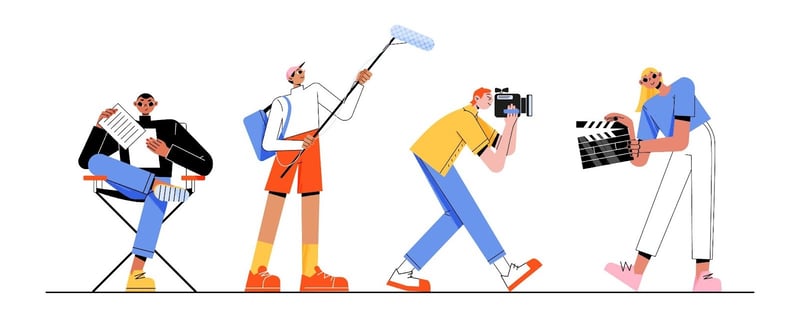
(Image Source: Freepik.com)
Sound plays a crucial role in making a film or video immersive for the audience. It lets them into the world you’re creating.
For video marketers, understanding sound design can elevate your content, making it more engaging, emotional, and memorable .
In this blog, we’ll discuss the different types of sound used in video production, their examples, and a simple guide to help you craft your own sound design for your next project..
Have you ever come across these sound design terminology — “diegetic” and “non-diegetic sound” and wondered what they actually mean? Don’t worry, I’ve got your back.
In film making, sound is broadly divided into two categories used during the production and post production phase - Diegetic Sound and Non-Diegetic Sound.
It’s the interplay between these two which shapes the overall mood, tone, and atmosphere of a film.
So without further ado, let’s dive into what these sound types are and how they differ from each other.
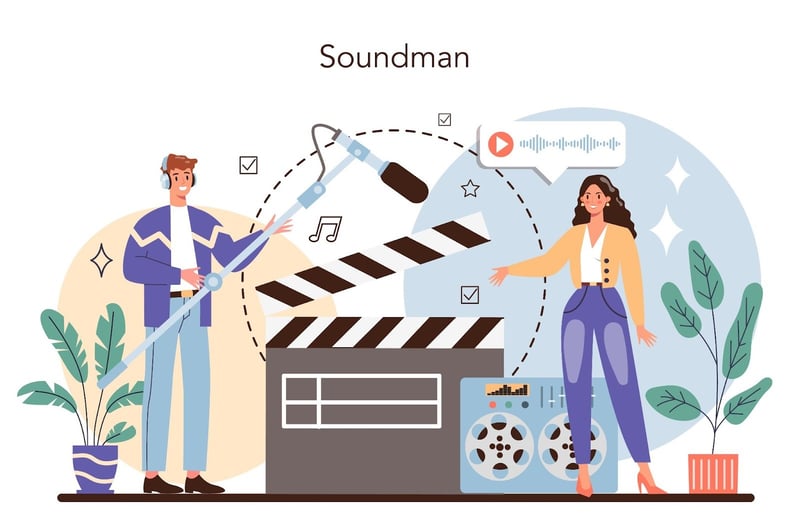
(Image Source: Freepik.com)
Diegetic sound is any sound which originates within the world of the film or video — meaning the characters can hear. It could be dialogues, a song playing on a car radio, heavy rainfall, or heels clicking on the floor.
The word diegetic derives from the evolution of the Greek word “diegesis’ which means narrative or narration. So, whatever sound a character hears and interacts with, and that helps the story move forward, is a diegetic sound.
Pro Tip: It’s not always necessary that the diegetic sound in the film can be seen. It can be coming from off-screen, but as long as the character hears it, it’s a diegetic sound.
There are three types of diegetic sound:
Dialogue is the most simplest example of diegetic sound. It’s the verbal communication between characters within the world of the film, often revealing their personalities.
Remember the joke scene with Flash from Zootopia? It perfectly shows how dialogue can express character traits. Judy Hopps, the newly appointed officer, needs information quickly, while Nick Wilde teases her impatience, and Flash, being a sloth, responds painfully slowly. This interaction hilariously highlights their contrasting personalities.
Music has a unique characteristic in film — it can transition from diegetic to non-diegetic sound or vice-versa. However, any music that the character hears within the story world is considered diegetic, whether it’s a song playing in a club or a character humming a lullaby.
When it comes to music, how can we forget the iconic Disney animated musicals? From Sleeping Beauty to Moana, these films are filled with memorable songs that stayed with the audiences for years. A great example is the scene in Frozen where Anna sings “Do You Wanna Build a Snowman?” to Elsa. Since both the characters hear the song within the film’s world, it functions as diegetic music.
Sound effects add realism to the fictional world of a film or a video. They make quiet scenes feel believable by adding subtle ambient sounds. For example, in Disney’s short film Paperman, the gentle rustling of paper is used throughout whenever the paper or paper plane moves, enhancing the film’s magical realism.
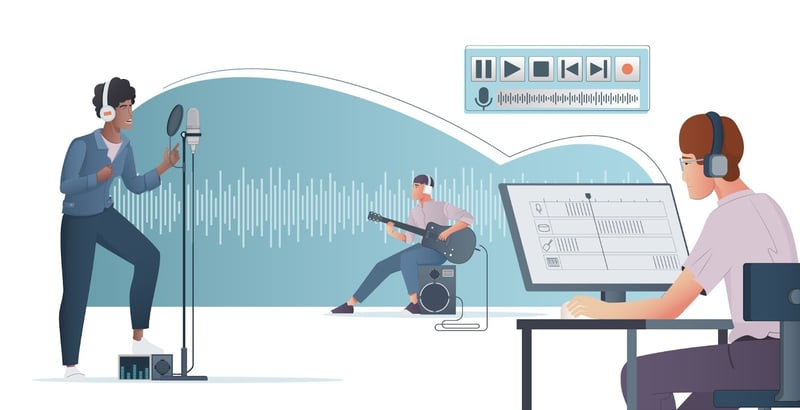
(Image source: Freepik.com)
Non-diegetic sound refers to any sound that does not originate from the world of the film and cannot be heard by the characters. This can include a soundtrack or score, narration or certain sound effects. These sounds are added by sound designers during post-production.
The three main types of Non-diegetic sounds are:
Soundtracks and scores make up the biggest portion of a film’s sound because they set the tone and atmosphere. They also help build emotion, drama, and suspense throughout the film.
A soundtrack is the collection of songs used in the film. It can include vocals, popular songs, background songs, or music played inside the scene, and it is often released as an album. For example, the Oscar winning soundtrack “Let it Go” from Frozen is part of its soundtrack.
A score is the instrumental background music composed specifically for a film. It helps build emotion, tension, mood, and the atmosphere. In the iconic train scene from Spirited Away, Joe Hisaishi’s gentle score perfectly conveys the quiet, surreal stillness of the moment, making the ride feel both haunting and peaceful.
Narration or voice-over is another key form of non-diegetic sound in filmmaking. It works like someone telling the story, but in films, the narration runs alongside the visuals to guide and clarify what we see. The voice-over is recorded separately and added during post production.
The Mini Adventures of Winnie the Pooh is a great example — the cartoon literally begins with a book opening, and the narrator reads the story while the visuals show Pooh moving through the scenes.
Sound effects are usually diegetic, but sound designers sometimes add non-diegetic effects in exaggerated ways to create a stronger dramatic impact.
One marvelous showcase of non-diegetic sound done right appears in the opening of Spider-Man: Into the Spider-Verse. Comic-style “whooshes”, text pops, and glitch effects bring the film’s unique aesthetic to life.
Pro Tip: Monologues are not non-diegetic. Since the character can “hear” their own thoughts, they are considered diegetic sound.
When we watch films or animation, not all sounds are the same. Some belong naturally to the world of the characters, while others are added purely for us, the audience. Here’s the simplest way to understand the difference:
|
Diegetic Sound
|
Non-Diegetic Sound
|
|
Exists inside the story world.
|
Exists outside the story world.
|
|
Characters can hear it.
|
Characters cannot hear it.
|
|
Makes the scene feel natural and realistic.
|
Adds emotion, mood, and dramatic impact.
|
|
Examples: Dialogue, footsteps, door knocks, radio music, characters singing.
|
Examples: Background score, dramatic stings, narration, artificial sound effects.
|
Now that you understand the differences between diegetic and non-diegetic sound, you’re all set to create your own sound design in cinema or video content. But before you move ahead, let’s look at one last sound design term — trans-diegetic sound.
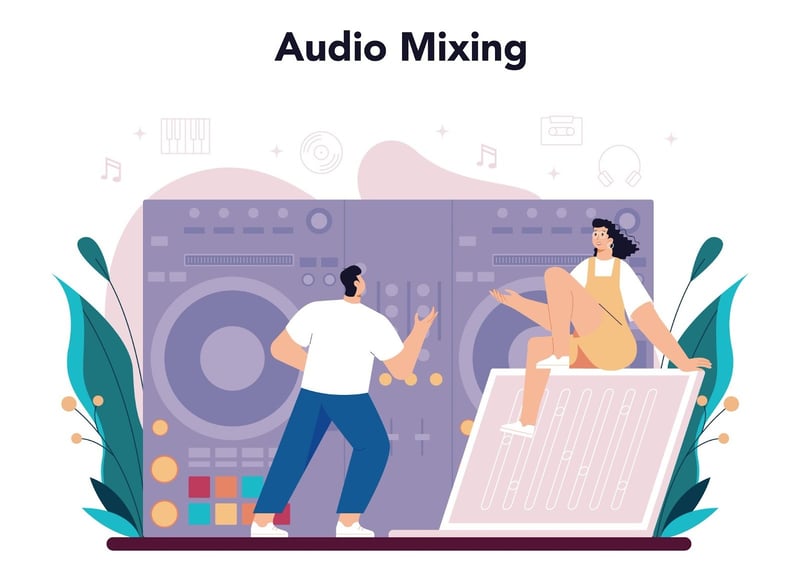
(Image Source: Freepik.com)
Trans-diegetic sound is a blend of diegetic and non-diegetic audio in filmmaking. It’s ideal for creative storytelling, especially when transitioning between scenes for a seamless transition. Another great example from Spider-Man: Into the Spider-Verse is the scene where Miles listens to the song “Sunflower” in his headphones and sings along — this is diegetic sound. As the scene transitions into the next sequence of him moving through the house with his parents, the music shifts into non-diegetic sound.
Pro Tip: Not all diegetic sounds are recorded on set — many are added later through automated dialogue replacement (ADR) or Foley to enhance audio quality.
Finally you’ve got the sound design basics down, now it’s your turn to try. Here’s a simple step-by-step guide to craft sound for your next video:
Step 1 - Define the mood: Decide what the scene should feel like (calm, tense, dreamy).
Step 2 - Pick diegetic sounds: Add in-world elements like footsteps, chatter, or a fan to ground the scene.
Step 3 - Layer ambience: Use soft background textures (rain, wind, room tone) to build the atmosphere.
Step 4 - Add non-diegetic emotion: Include a light music cue or tone to underline the mood.
Step 5 - Use small foley details: Add close sounds like rustling or object handling for realism.
Step 6 - Try one trans-diegetic moment: Let a background tune become something a character interacts with (or vice-versa).
Step 7 - Balance and mix: Adjust volumes, pan sounds, and remove anything distracting.
Step 8 - Test & refine: Listen on different devices and make small tweaks.
Once your sound design is complete, export the video using the standard audio settings for film and video: 48kHz sample rate, Stereo audio, and a high-quality AAC or WAV format.
Pro Tip: Use silence for tension — removing expected sound can be more powerful than adding it.
Internal diegetic sound is the sound that comes from the character’s mind or imagination and is heard by both the character and the audience. An example of this is a character’s internal monologue.
External diegetic sound originates from the physical world of the story, and the characters can hear it. Examples include dialogue, footsteps, or objects making noise.
Diegetic music comes from a source within the story world, so characters can hear it. It grounds the scene in reality, adds atmosphere, and can influence the plot.
Examples: Anna singing through the door in Frozen, or Miguel playing guitar in Coco.
Diegetic narration: The narrator is a character in the story telling events from their perspective.
Example: Shrek narrating parts of his own story in Shrek.
Non-diegetic narration: The narrator exists outside the story world and is not heard by characters.
Example: The voiceover in Ratatouille explaining how Remy loves cooking.
Common sound file formats include:
Understanding the differences between diegetic and non-diegetic sound is essential for anyone exploring movie and sound design. It helps creators make smarter, more intentional choices in storytelling. These sound elements shape how audiences feel, connect, and experience a scene — whether through realistic world building or emotional cues added just for the viewers.
As film and animation continues to evolve, so does sound design. From AI-assisted audio tools to immersive spatial sound and hybrid approaches that blend traditional techniques with new technology, the future of sound is full of creative possibilities. Mastering these fundamentals today prepares creators to explore richer, more dynamic soundscapes tomorrow.
If you want your video content to shine with thoughtful, professional sound design, feel free to connect with Broadcast2World. We would love to help bring your story to life.
No Comments Yet
Let us know what you think